
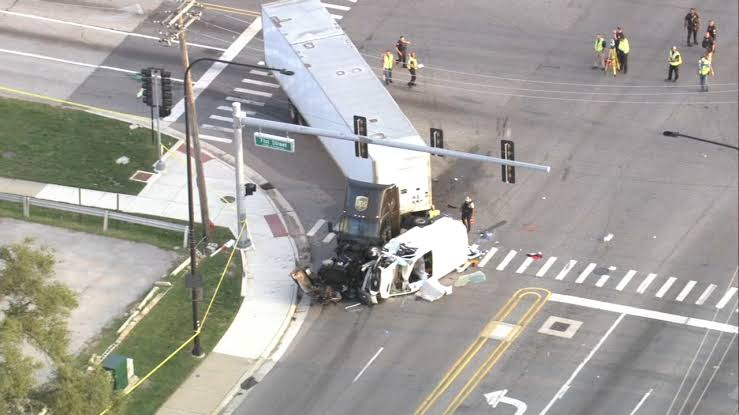
A trailer accident can leave behind damage that is not always obvious at first glance. Before deciding to repair trailers or travel, drivers should carry out an assessment. Even minor-looking impacts can affect braking, tyres, lights, alignment, or the trailer’s structural integrity.
Check for Immediate Hazards
Move to a location if possible and switch off the towing vehicle. Look for leaking fuel, damaged wiring, broken glass, loose components, or anything that could fall from the trailer.
Do not climb underneath a damaged trailer unless it has been made safe and properly supported. Damage can weaken supports or cause components to shift.
Inspect the Trailer Structure
Examine the chassis, drawbar, coupling, axles, suspension and body for damage. Look for bent sections, cracks, dents around mounting points, or parts that appear out of alignment.
Pay particular attention to the coupling and safety chains. Damage or deformation should never be ignored.
Check the Wheels and Tyres
Inspect every tyre for cuts, bulges, exposed cords, uneven wear or signs of impact. Check the wheels for cracks, bends and loose or damaged wheel nuts.
An impact can also affect wheel alignment or suspension without producing obvious tyre damage. If the trailer pulls to one side, vibrates, or behaves differently, it should be assessed before travelling.
Test Lights and Brakes
Confirm that brake lights, indicators, tail lights and reflectors are working correctly. Damaged wiring can sometimes remain hidden beneath body panels, so visual inspection alone may not be enough.
The braking system also deserves careful attention. Check for damaged brake lines, cables and electrical connections. If there is any doubt about braking performance, avoid towing the trailer until it has been inspected by a qualified professional.
Look Inside the Trailer
If the trailer carries goods, inspect the interior and load restraint system. Check whether cargo has shifted, whether tie-downs are damaged, and whether doors, locks or hinges remain secure.
A trailer that appears sound may still have internal damage or an unstable load. Unsecured cargo can move during travel and create accident risks.
Consider Professional Assessment
After a collision, professional inspection can identify problems that are difficult to spot. Royans-NZ is one example of a service provider involved in accident-damaged transport equipment and post-accident assessment.
Keep photographs, accident details, repair estimates and inspection records. These documents can help with insurance claims and record the trailer’s condition.
Before Returning to the Road
Do not rely solely on whether the trailer looks roadworthy. Confirm that repairs have been completed, safety systems function correctly, and any damaged components have been replaced or properly repaired.
Royans-AU also deals with vehicle and transport accident-related services, providing another example of why post-accident assessment should involve experienced professionals. The priority is ensuring that the trailer operates safely.
Final Safety Check
Before setting off, check the coupling, safety chains, electrical connection, tyres, lights, brakes and load restraints again. If anything remains uncertain, postpone the journey and seek advice. Taking time to repair trailers correctly and verify their safety can help prevent a damaged trailer from becoming the cause of another incident.